Currently Empty: ₹0.00


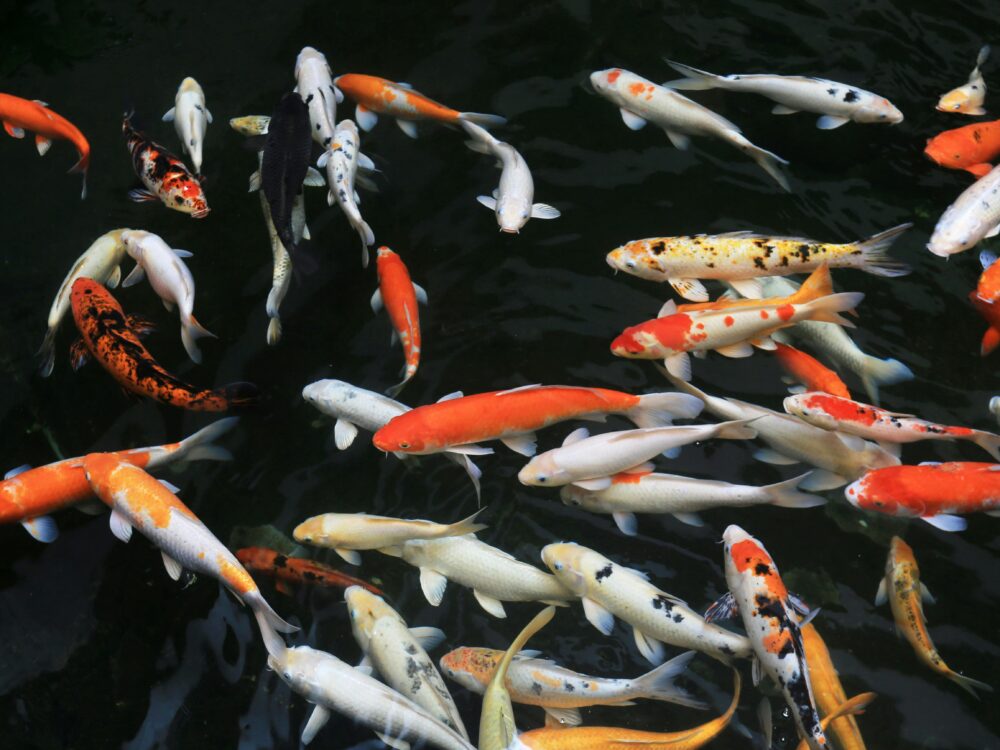
Summer can be both an enjoyable and challenging season for koi pond owners. Rising temperatures, increased algae growth, and lower oxygen levels can all affect water quality and fish health. Preparing your koi pond in advance helps ensure your koi remain active, stress-free, and healthy throughout the summer months.
Here’s a complete guide on how to prepare your koi pond for summer.
1. Check and Balance Water Quality
As temperatures rise, water chemistry can change quickly. Poor water quality is one of the biggest summer risks for koi.
What to do:
- Test water regularly for pH, ammonia, nitrite, and nitrate
- Maintain a stable pH between 7.0 and 8.5
- Perform partial water changes (10–20%) every 1–2 weeks
- Use dechlorinated water when topping up the pond
Stable water conditions reduce stress and support koi immunity.
2. Clean the Pond Thoroughly
Before summer begins, remove accumulated debris that can decompose and pollute the water.
Summer prep steps:
- Skim leaves and floating debris from the surface
- Vacuum sludge from the pond bottom
- Remove excess algae manually
- Trim nearby plants to prevent organic waste from falling into the pond
A clean pond helps prevent bacterial growth and foul odors.
3. Inspect and Upgrade Filtration
Your filtration system works harder in summer due to increased fish activity and feeding.
Filtration tips:
- Clean mechanical filters to remove trapped waste
- Check biological media for proper water flow
- Ensure pumps are running efficiently
- Consider adding a UV clarifier to control green water
Strong filtration keeps water clear and safe during peak summer heat.
4. Improve Pond Aeration
Warm water holds less oxygen, which can stress koi, especially during hot afternoons and nights.
Ways to boost oxygen levels:
- Install air pumps and air stones
- Add waterfalls or fountains
- Keep water movement consistent
- Avoid overcrowding the pond
Good aeration helps koi stay energetic and reduces the risk of oxygen depletion.
5. Adjust Feeding for Summer
Koi metabolism increases in warmer temperatures, but overfeeding can quickly damage water quality.
Feeding guidelines:
- Feed high-quality summer koi food
- Feed smaller portions 1–2 times daily
- Only feed what koi can consume in 2–3 minutes
- Avoid feeding during extreme heatwaves
Balanced feeding supports growth without polluting the pond.
6. Control Algae Growth
Summer sunlight promotes algae blooms that can reduce oxygen and water clarity.
Algae control tips:
- Provide partial shade using pond plants or shade sails
- Use UV clarifiers to manage green water
- Remove string algae manually
- Avoid excessive feeding and overstocking
Managing algae keeps the pond visually appealing and healthy.
7. Monitor Koi Health Closely
Higher temperatures can increase the risk of parasites and bacterial infections.
Watch for signs such as:
- Lethargy or unusual swimming
- Gasping at the surface
- Loss of appetite
- Visible sores or spots
Early detection allows quick treatment and prevents disease spread.
8. Plan for Heatwaves
Extreme summer heat can quickly stress koi if not managed properly.
Heatwave precautions:
- Increase aeration immediately
- Top up the pond to maintain water levels
- Provide additional shade
- Avoid handling or netting koi unnecessarily
Preparation helps your pond remain stable during peak temperatures.
Conclusion
Preparing your koi pond for summer is essential to maintaining healthy fish and clear water. By focusing on water quality, filtration, aeration, feeding, and algae control, you can protect your koi from seasonal stress.
With proper summer preparation, your koi pond will stay vibrant, balanced, and enjoyable throughout the warm months.