Currently Empty: ₹0.00

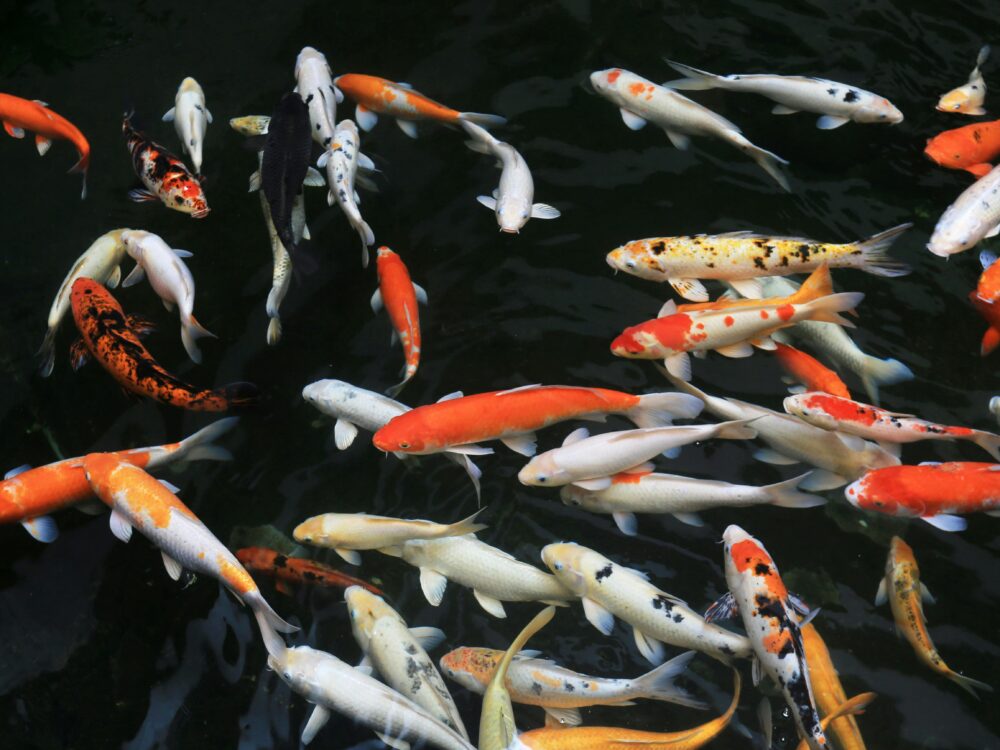
Koi fish are admired worldwide for their vivid colors, graceful movement, and symbolic meaning of prosperity and strength. With dozens of recognized varieties, choosing the right koi can feel overwhelming—especially for beginners. Each type of koi has unique color patterns, scale styles, and care considerations.
This koi fish variety guide will help you understand the most popular types of koi and what makes each one special.
Understanding Koi Classification
Koi varieties are generally classified based on:
- Color patterns (red, white, black, yellow, blue)
- Scale type (scaled, scaleless, partially scaled)
- Metallic vs non-metallic appearance
Most koi varieties belong to larger koi families, each with distinct traits.
1. Kohaku
Kohaku is one of the oldest and most popular koi varieties.
Key features:
- White body with red (hi) markings
- Clean, well-defined color patterns
- No black pigmentation
Kohaku koi are known for their simplicity and elegance, making them ideal for beginners.
2. Taisho Sanke (Sanke)
Sanke koi are a beautiful extension of Kohaku.
Key features:
- White body with red and black markings
- Black patterns appear above the lateral line
- Balanced, artistic coloration
They are highly prized for their harmony of colors.
3. Showa Sanshoku (Showa)
Showa koi have a bold and dramatic appearance.
Key features:
- Black base color with red and white patterns
- Black markings wrap around the body
- Strong contrast and depth
Showa koi are energetic and visually striking.
4. Utsurimono
Utsurimono varieties are known for their high-contrast color combinations.
Popular types include:
- Shiro Utsuri (black and white)
- Hi Utsuri (black and red)
- Ki Utsuri (black and yellow)
These koi stand out due to their bold patterns.
5. Bekko
Bekko koi are simple yet elegant.
Key features:
- Solid base color (white, red, or yellow)
- Small black markings scattered across the body
Bekko are calmer in appearance and easy to recognize.
6. Asagi
Asagi koi have a traditional and refined look.
Key features:
- Blue-gray scales with a net-like pattern
- Red or orange coloration on the belly, fins, and gill plates
They are one of the oldest koi varieties.
7. Shusui
Shusui is the scaleless version of Asagi.
Key features:
- Smooth skin with a row of large scales along the dorsal line
- Blue body with red markings
Their clean lines make them visually unique.
8. Ogon
Ogon koi are metallic and eye-catching.
Key features:
- Single metallic color such as gold, platinum, or orange
- Bright shine and uniform coloration
They add brilliance and contrast to any koi pond.
9. Tancho
Tancho koi are recognized by their iconic red spot.
Key features:
- Solid white body
- Single red circle on the head
This variety symbolizes good fortune and is highly valued.
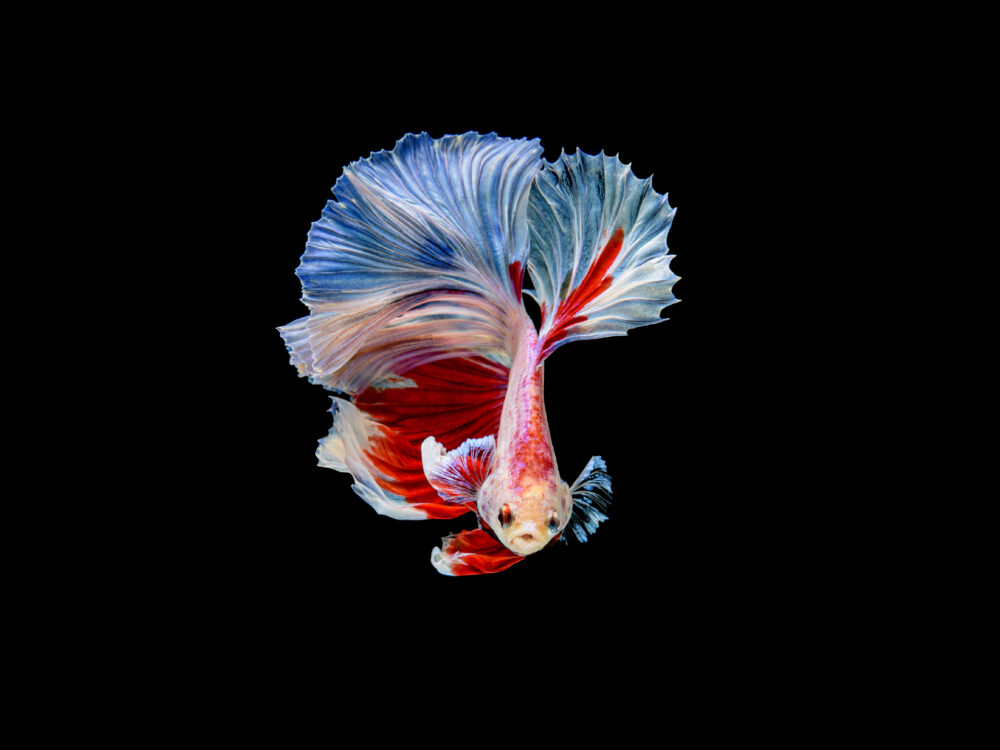
10. Butterfly (Longfin) Koi
Butterfly koi are known for their flowing fins.
Key features:
- Long, graceful fins
- Available in many color varieties
They add movement and elegance to ponds but are often classified separately from traditional koi.
Choosing the Right Koi Variety
When selecting koi fish, consider:
- Pond size and water quality
- Desired color combinations
- Experience level
- Long-term growth potential
A mix of different koi varieties can create a visually stunning pond.
Conclusion
Understanding koi fish varieties helps you choose koi that suit your pond and personal taste. From the classic Kohaku to the dramatic Showa and metallic Ogon, each koi type brings its own charm and beauty.
With proper care and the right selection, your koi pond can become a vibrant and peaceful centerpiece for years to come.