Currently Empty: ₹0.00


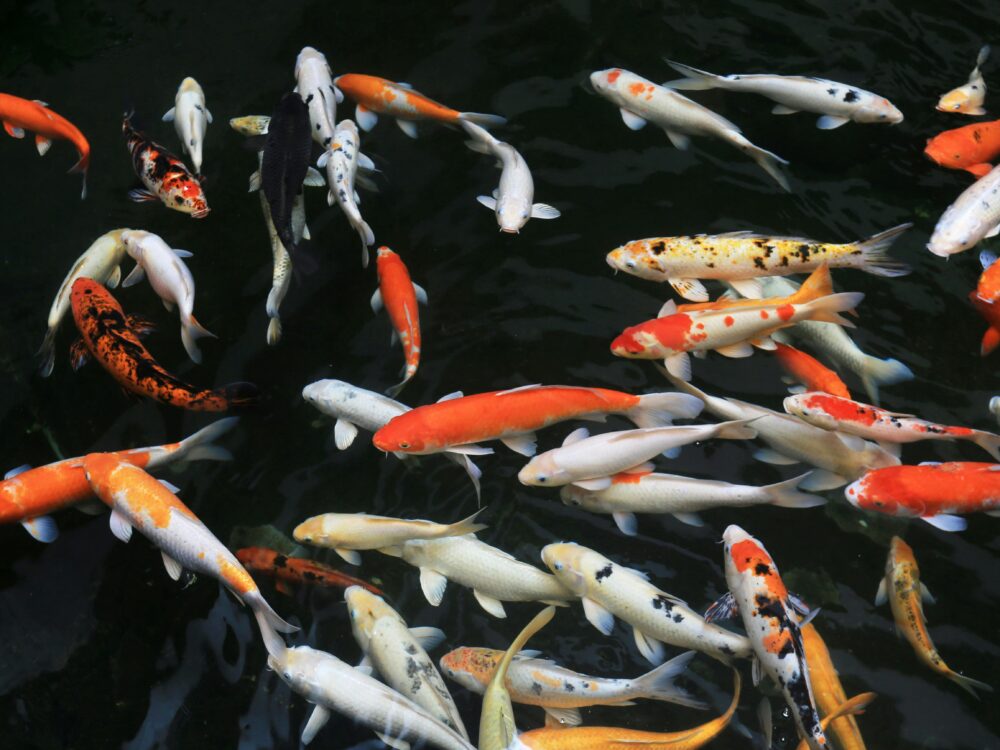
Koi fish are beautiful, valuable, and unfortunately very attractive to predators. Birds, animals, and even household pets can pose a serious threat to your koi pond if proper precautions aren’t taken. Protecting your koi from predators is essential to ensure their safety, reduce stress, and maintain a healthy pond environment.
This guide covers effective and practical ways to protect your koi fish from common predators.
Common Koi Pond Predators
Before taking action, it’s important to know what you’re protecting your koi from.
Most common predators include:
- Herons and egrets
- Cats and dogs
- Raccoons, foxes, and otters
- Snakes
- Frogs (can harm small koi or eggs)
Each predator requires a slightly different prevention approach.
1. Install Pond Netting
Pond netting is one of the most effective and affordable ways to protect koi fish.
Benefits of pond netting:
- Prevents birds from accessing the water
- Stops animals from reaching koi
- Reduces falling debris
Choose fine, durable netting and secure it tightly over the pond surface.
2. Add Pond Shelters and Hiding Spots
Koi need places to hide when they sense danger.
Good shelter options include:
- Koi caves or tunnels
- Large rocks or driftwood (securely placed)
- Dense aquatic plants
- Deep pond areas (at least 3–4 feet deep)
Hiding spots help koi feel safe and reduce stress.
3. Use Motion-Activated Deterrents
Motion-activated devices can scare predators away without harming them.
Popular options:
- Motion-sensor water sprayers
- Ultrasonic deterrent devices
- Solar-powered garden alarms
These deterrents are especially effective against birds, cats, and raccoons.
4. Install Pond Fencing or Barriers
Low fencing around the pond can discourage land-based predators.
Fencing tips:
- Use decorative metal or mesh fencing
- Ensure no gaps for animals to squeeze through
- Combine fencing with plants or stones for aesthetics
Barriers add an extra layer of protection, especially at night.
5. Use Decoys Carefully
Decoys can help deter birds when used correctly.
Common decoys include:
- Heron statues
- Owl or hawk figures
Move decoys frequently so predators don’t realize they’re fake.
6. Improve Pond Design for Safety
Smart pond design can significantly reduce predator attacks.
Design tips:
- Avoid shallow edges where predators can stand
- Add vertical pond walls instead of sloped edges
- Keep water clear so koi can spot threats early
Predator-resistant design offers long-term protection.
7. Avoid Feeding Koi at the Same Spot
Feeding koi in the same location trains predators to target that area.
Best practices:
- Change feeding spots occasionally
- Feed during daylight hours
- Avoid overfeeding
Unpredictable feeding routines make ponds less attractive to predators.
8. Night-Time Protection
Many predators hunt after dark.
Night safety tips:
- Install pond lighting
- Use floating pond covers or netting overnight
- Activate motion-sensor lights
These steps help keep predators away while koi rest.
Conclusion
Protecting your koi fish from predators requires a combination of physical barriers, smart pond design, and deterrent tools. By using netting, shelters, motion-activated devices, and thoughtful feeding habits, you can significantly reduce the risk of predator attacks.
A well-protected koi pond not only keeps your fish safe but also creates a stress-free environment where koi can thrive and grow beautifully.