Currently Empty: ₹0.00

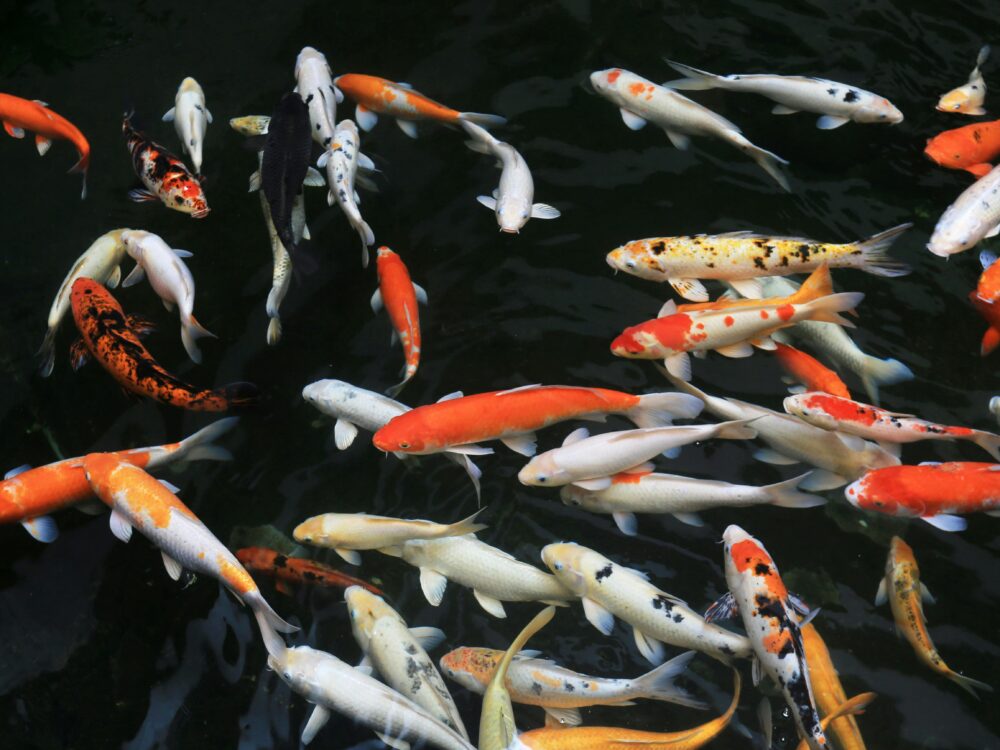
A koi pond is more than just a water feature—it’s a living ecosystem that adds beauty, calm, and elegance to your outdoor space. However, maintaining a koi pond requires consistent care and attention to ensure your fish remain healthy and vibrant. From water quality to feeding habits, every detail plays an important role.
In this guide, we’ll share essential koi pond maintenance tips and best practices to help your koi thrive all year round.
1. Maintain Optimal Water Quality
Water quality is the foundation of a healthy koi pond. Poor water conditions can stress koi and lead to disease.
Best practices:
- Test pond water weekly for pH, ammonia, nitrite, and nitrate levels
- Maintain a pH range between 7.0 and 8.5
- Perform partial water changes (10–20%) every 1–2 weeks
- Always use dechlorinated water when refilling the pond
Clean, balanced water supports koi growth and strengthens their immune system.
2. Install a Proper Filtration System
An efficient filtration system keeps pond water clean and safe for koi fish.
Key components include:
- Mechanical filtration to remove solid waste
- Biological filtration to break down ammonia and nitrites
- UV clarifiers to control algae growth
Clean filters regularly, but avoid over-cleaning to preserve beneficial bacteria.
3. Feed Koi Fish Correctly
Feeding koi properly is essential for their health and the pond’s water quality.
Feeding tips:
- Use high-quality koi food rich in protein and nutrients
- Feed only what koi can eat within 2–3 minutes
- Feed 1–2 times daily during warm seasons
- Reduce feeding in cooler temperatures and stop feeding below 10°C (50°F)
Avoid overfeeding, as leftover food can pollute the pond.
4. Keep the Pond Clean
Regular cleaning prevents waste buildup and keeps water clear.
Maintenance tips:
- Skim floating debris like leaves and insects daily
- Vacuum the pond bottom occasionally
- Remove excess algae manually
- Trim surrounding plants to prevent decay
A clean pond reduces the risk of bacterial and parasitic infections.
5. Ensure Proper Aeration
Koi require sufficient oxygen to stay active and healthy.
Ways to improve aeration:
- Install air pumps or diffusers
- Add waterfalls or fountains
- Avoid overcrowding the pond
Proper aeration is especially important during hot summer months.
6. Monitor Fish Health Regularly
Observing koi behavior helps identify health issues early.
Warning signs to watch for:
- Lethargy or erratic swimming
- Loss of appetite
- Visible sores, white spots, or damaged fins
- Gasping at the surface
Quarantine new fish before adding them to your pond to prevent disease transmission.
7. Manage Seasonal Pond Care
Koi pond maintenance changes with the seasons.
- Spring: Clean the pond, restart filtration, and resume feeding gradually
- Summer: Increase aeration and monitor algae growth
- Autumn: Remove fallen leaves and reduce feeding
- Winter: Use pond heaters or de-icers to maintain oxygen exchange
Seasonal care ensures long-term pond health.
8. Avoid Overcrowding
Overcrowding leads to poor water quality and stressed fish.
General guideline:
- Provide at least 250–300 gallons of water per adult koi
Adequate space promotes healthy growth and reduces disease risk.
Conclusion
Maintaining a koi pond requires a balance of clean water, proper filtration, correct feeding, and regular monitoring. With consistent care and attention to seasonal needs, your koi pond can remain a thriving and beautiful environment.
By following these koi pond maintenance tips and best practices, you’ll enjoy healthy koi, clear water, and a serene outdoor feature for years to come.